
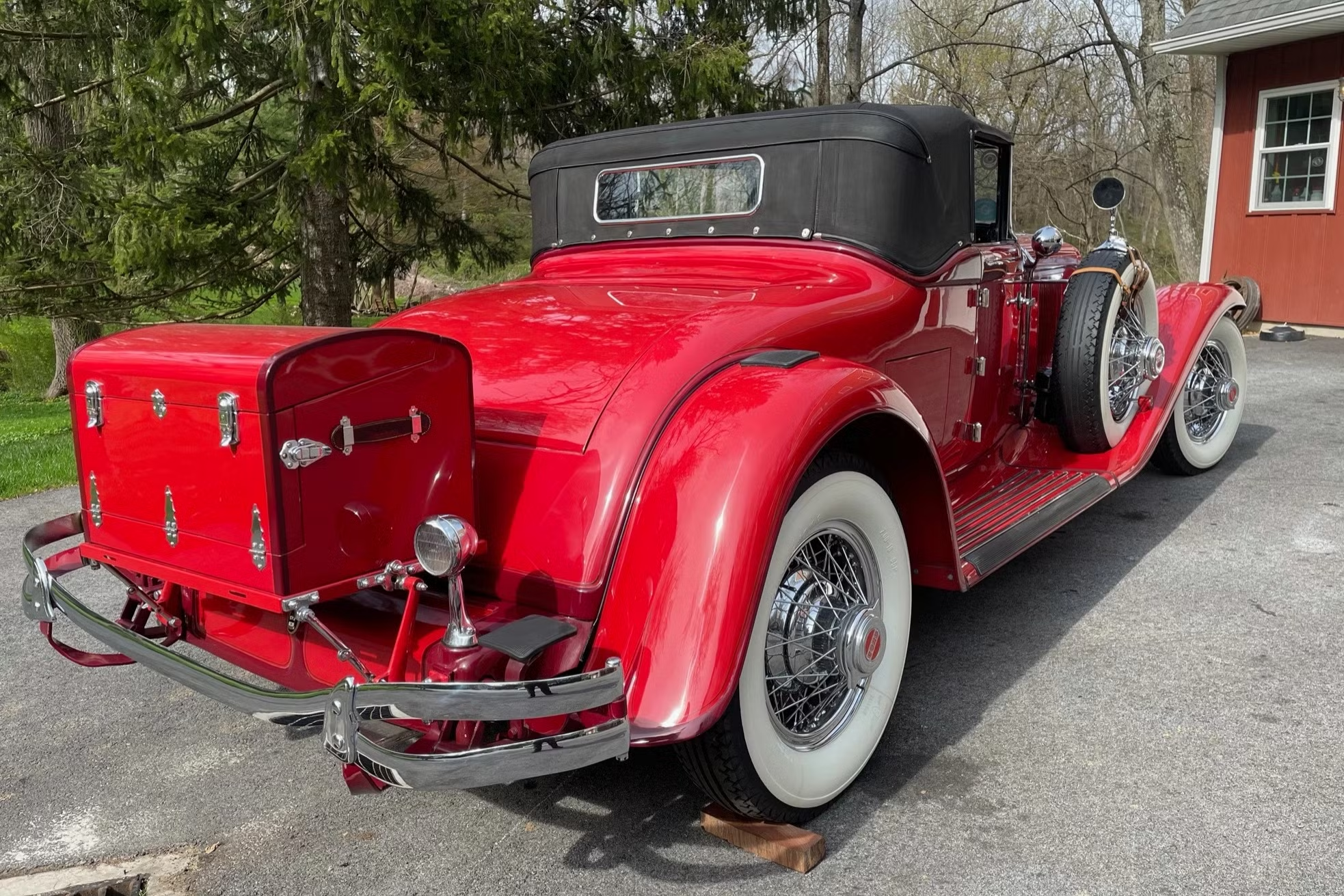
Driving a car in the early 20th century was a vastly different experience from what we know today. Among the standout features of vehicles from the 1920s were the rear-facing seats 1920s, a quirky design element that captured the adventurous spirit of automotive innovation.
What it Was Like to Drive 100 Years Ago
The roads of the 1920s were far from the smooth, well-regulated networks we navigate today. Early 1900s, automobiles were a marvel of their time, but they often shared bumpy dirt paths with horse-drawn carriages. Drivers had to contend with limited safety features, a lack of standardized traffic rules, and unpredictable road conditions.
Automobile Club of America played a pivotal role in advocating for better road safety and infrastructure during this chaotic era. Traffic signals were a rarity, and it wasn’t until later in the decade that stop signs and traffic lights became common fixtures. The introduction of driver’s licenses also marked an important step toward safer driving practices.
Change Outpaces Safety
Despite rapid technological advancements, automotive safety evolution lagged behind. Seat belts were unheard of, and cars often lacked enclosed cabins. Rear-hinged doors, a design choice seen in some vehicles, were both a stylish and functional feature but posed safety concerns.
Herbert Hoover, then Secretary of Commerce, spearheaded efforts to standardize traffic regulations. These changes were crucial in transforming driving from a risky endeavor into a more orderly and secure activity.
A Driving Free-for-All
With few speed limits and minimal enforcement, driving in the 1920s was a thrilling but perilous adventure. Early drivers had to rely on their instincts and the courtesy of fellow motorists. The concept of road rage was virtually non-existent, as most people were simply amazed by the novelty of cars.
Innovations like the Rolls-Royce Phantom and other luxury models began to set new standards for automotive comfort and performance. These vehicles, often equipped with lavish interiors, sometimes featured rear-facing seats that added a touch of elegance and exclusivity.
A Chaotic Scene
The lack of standardized traffic regulations created a chaotic scene on city streets. Pedestrians, cyclists, and automobiles all vied for space, leading to frequent accidents and confusion. The introduction of stop signs and traffic lights was a game-changer, bringing much-needed order to the roads.
As the automotive industry matured, manufacturers began incorporating design elements that prioritized passenger comfort. Rear-facing seats became a symbol of sophistication, offering passengers a unique perspective and fostering a more social travel experience.
The Ten Best Cars with Suicide Doors
Rear-hinged doors, often referred to as suicide doors, were a popular feature in many classic cars. These doors not only added a touch of elegance but also made it easier for passengers to enter and exit the vehicle. Let’s take a look at ten of the most iconic cars featuring this distinctive design.
Spyker D12 Peking-to-Paris (2006-10)
This luxury SUV combined Dutch craftsmanship with a nod to classic automotive design. Its rear-hinged doors were a standout feature, providing a unique blend of style and functionality.
Lancia Appia (1953-63)
The Lancia Appia was a compact Italian sedan known for its elegant design and rear-hinged doors. This feature made it a favorite among drivers who appreciated both form and function.
Lincoln Continental IV (1960-69)
The Lincoln Continental IV is perhaps one of the most iconic cars with suicide doors. Its sleek design and luxurious interior made it a symbol of American automotive excellence.
Mazda RX-8 (2002-12)
Mazda brought the rear-hinged door design into the modern era with the RX-8. This sporty coupe featured innovative design elements that set it apart from its competitors.
Sunbeam-Talbot 90 (1948-57)
The Sunbeam-Talbot 90 was a British sports saloon that combined performance with elegance. Its rear-hinged doors were a practical and stylish addition.
BMW i3 (2013-21)
BMW’s i3 brought sustainability and innovation to the forefront. The rear-hinged doors not only added to its futuristic design but also made it easier for passengers to access the back seats.
Facel Vega Excellence (1958-64)
This French luxury car was the epitome of sophistication. Its rear-hinged doors were a defining feature, adding to its allure and exclusivity.
Saturn Ion Quad Coupe (2005-08)
The Saturn Ion Quad Coupe featured rear-hinged doors that provided easy access to the back seats. This practical design element was a hit among families and young drivers alike.
Rover P4 (1950-64)
The Rover P4 was a British classic known for its robust build and elegant design. Its rear-hinged doors were a nod to traditional automotive craftsmanship.
1950s British Limousines
Many British limousines from the 1950s featured rear-hinged doors, which added a touch of class and made it easier for passengers to enter and exit the vehicle. These cars remain a symbol of luxury and elegance.
Frequently Asked Questions (FAQs)
Q: Why were rear-facing seats popular in 1920s cars? A: Rear-facing seats provided a unique social experience for passengers and were considered a luxury feature in many high-end vehicles.
Q: What are suicide doors, and why are they called that? A: Suicide doors are rear-hinged doors that open in the opposite direction of traditional car doors. They earned their name due to the perceived safety risk of the door opening while the car was in motion.
Q: How did the Automobile Club of America contribute to road safety? A: The Automobile Club of America advocated for better road infrastructure, traffic regulations, and driver education, significantly improving road safety.
Q: Which modern cars feature rear-hinged doors? A: Some modern cars with rear-hinged doors include the Mazda RX-8 and BMW i3.
Q: What role did Herbert Hoover play in automotive safety? A: As Secretary of Commerce, Herbert Hoover was instrumental in standardizing traffic regulations, which improved road safety and order.
This journey through automotive history highlights the remarkable evolution of car design and road safety. From the chaotic streets of the 1920s to the luxurious vehicles of today, the legacy of innovation continues to drive the automotive industry forward.
The legacy of innovation and style in automotive history lives on, making rear-facing seats 1920s a fascinating chapter in car design evolution.
