
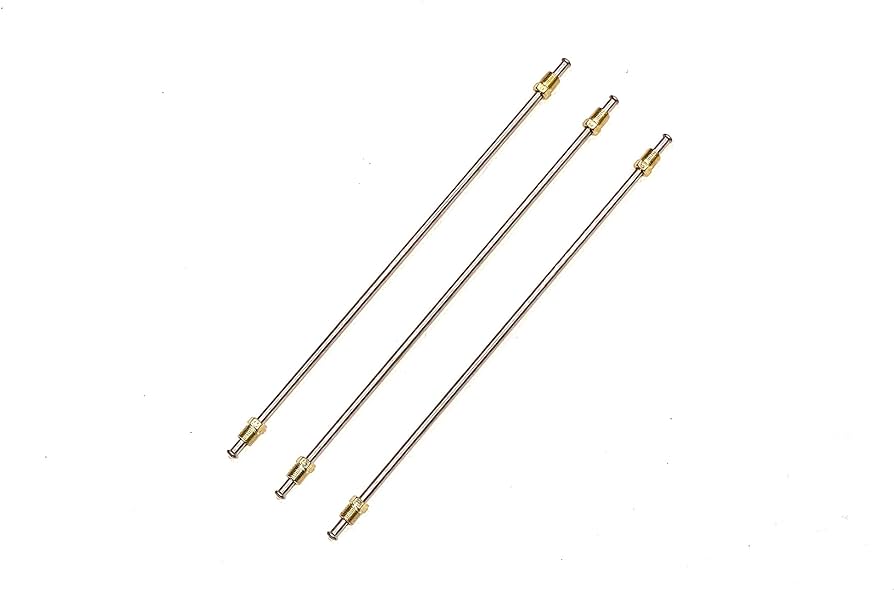
The 3/16 brake line plays a vital role in vehicle safety and braking performance. While small and often overlooked, this component directly affects how efficiently your car stops. Whether you are a car enthusiast or a daily driver, understanding the importance of the 3/16 brake line helps ensure safer driving and better vehicle control.
The Backbone of Braking Systems
The 3/16 brake line serves as the main pathway for brake fluid, transmitting hydraulic pressure to the brake calipers. This process allows your vehicle to stop smoothly and safely. Despite its thin size, the brake line must handle extreme pressure. Manufacturers typically use steel or copper-nickel alloys to ensure the line remains strong and durable.
Precision Engineering for Reliable Performance
The diameter of the brake line measures exactly three-sixteenths of an inch. This precise measurement ensures optimal brake fluid flow while maintaining structural strength. With accurate engineering, the brake fluid applies the necessary pressure to the brake components, guaranteeing responsive braking. High-quality 3/16 brake lines maintain consistent performance even under demanding conditions.
Durability Under Tough Conditions
Vehicles face harsh environments, from heat to moisture and road salt. The 3/16 brake line resists corrosion thanks to its durable steel or copper-nickel construction. This durability prevents rust and maintains the integrity of the braking system. A reliable brake line ensures your vehicle continues to perform safely over time.
Versatility Across Vehicles
The 3/16 brake line fits a wide range of vehicles, from compact cars to trucks and high-performance sports cars. Mechanics favor this size because it provides consistent results across different makes and models. Its versatility makes it a standard choice for most braking systems.
Upgrading to 3/16 Brake Lines
Upgrading to a high-quality 3/16 brake line improves braking reliability and responsiveness. Modern brake lines offer better corrosion resistance and durability. For performance driving or vehicles with advanced braking systems, this upgrade enhances safety and control. By investing in quality brake lines, drivers can reduce maintenance issues and enjoy smoother braking.
Installation and Best Practices
Correct installation is crucial. When installing a 3/16 brake line, ensure it is routed properly without kinks or bends. Secure all fittings and bleed the brake system thoroughly to remove air bubbles. Proper installation guarantees maximum hydraulic pressure and consistent braking performance.
Regular Maintenance and Inspection
Even durable brake lines require regular inspection. Check for corrosion, cracks, or leaks during routine maintenance. Promptly addressing any issues prevents brake failures and ensures safety for both the driver and passengers. Regular inspections keep the braking system performing at its best.
Conclusion
The 3/16 brake line is a small but critical part of any vehicle’s braking system. Its precision, durability, and versatility make it essential for safe and reliable braking. By understanding its role, maintaining it properly, and considering upgrades when necessary, drivers can enjoy enhanced performance and peace of mind on the road.
